
Apparel
Multi-terminal checkout, membership, mini-program store and RFID tags.
Multi-terminal checkout, membership, mini-program store and RFID tags.
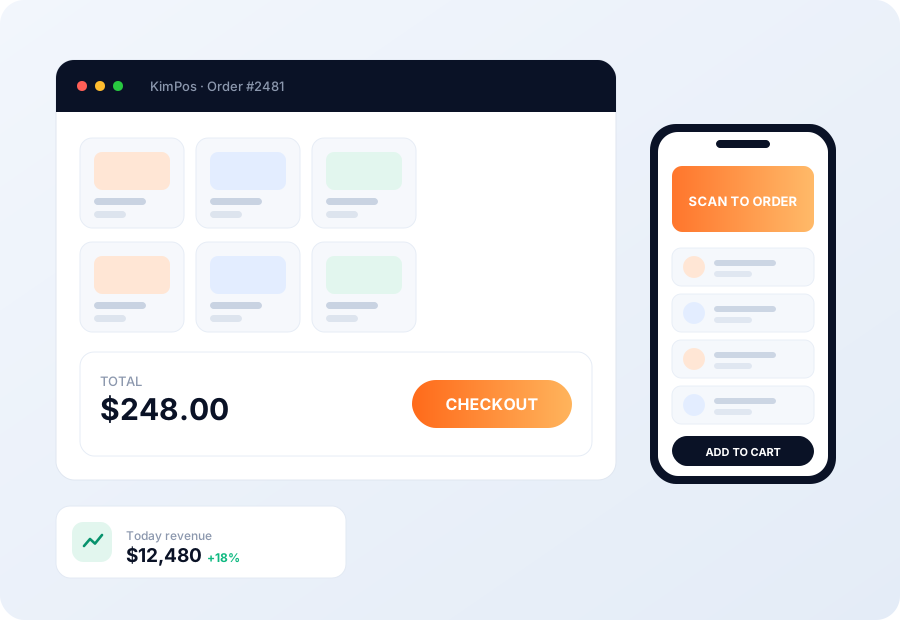
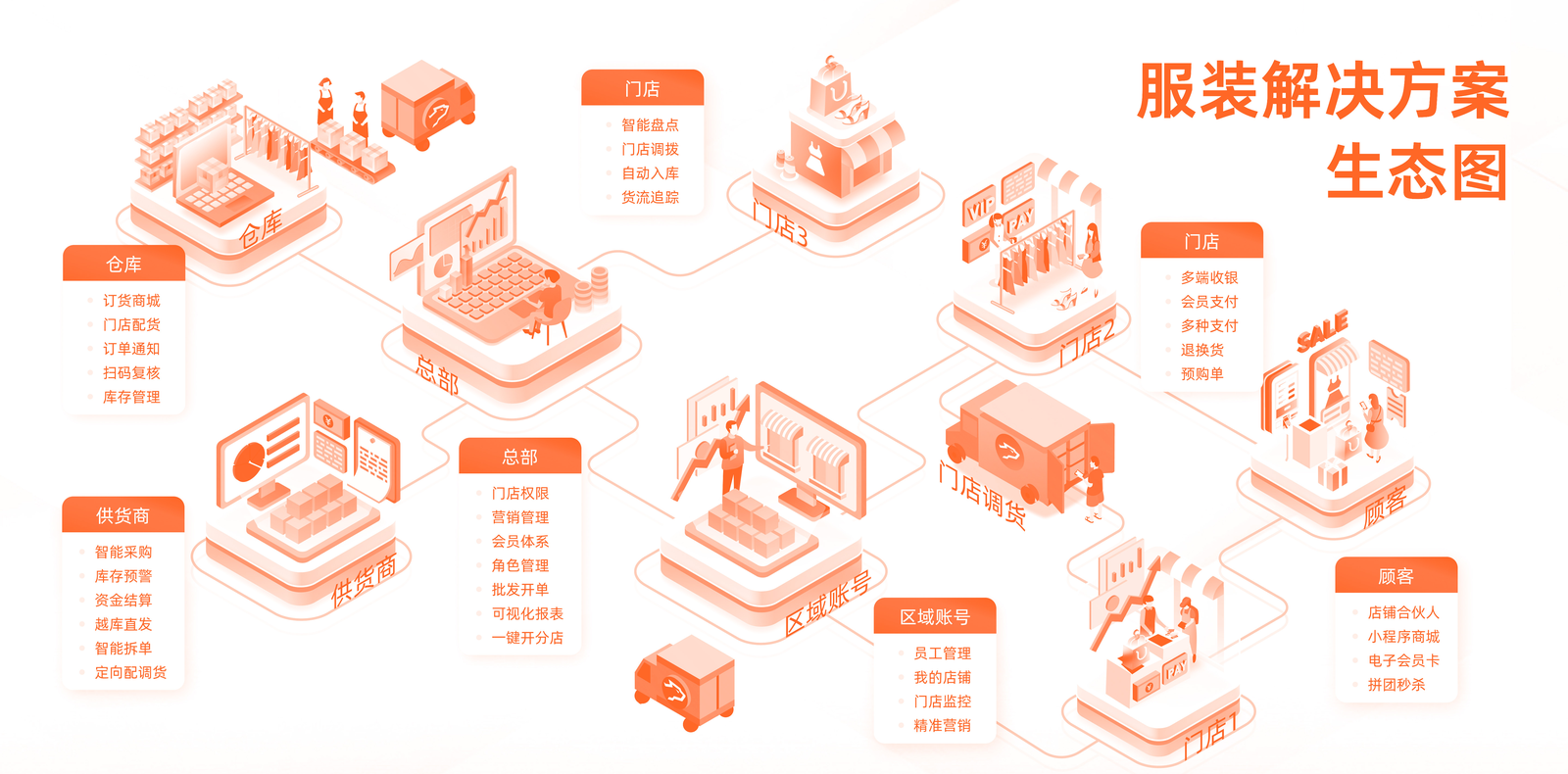
1. Applicable to all clothing industries, KimPos continues to empower store development
From men's clothing, women's clothing, and children's clothing to sports and outdoor clothing, underwear, shoes and hats, bags, and accessories, KimPos smart clothing solutions cover every segment of clothing retail. Whether you are a single-store boutique, a regional chain, or a national franchise system, KimPos can connect store cashiers, merchandise, memberships, logistics, and online malls with one system, allowing operators to focus on the business itself instead of tedious reconciliation and manual entry.

2. Product matrix: one system, covering all scenarios
KimPos clothing solution consists of two core products: POS cashier system supports the three major platforms of Windows / Android / iOS and can be supported without choosing equipment or general hardware, covering store cashier and store management; mini program mall helps merchants create their own private domain traffic pool, and integrates customer resources through partner distribution fission to achieve online and offline ordering.
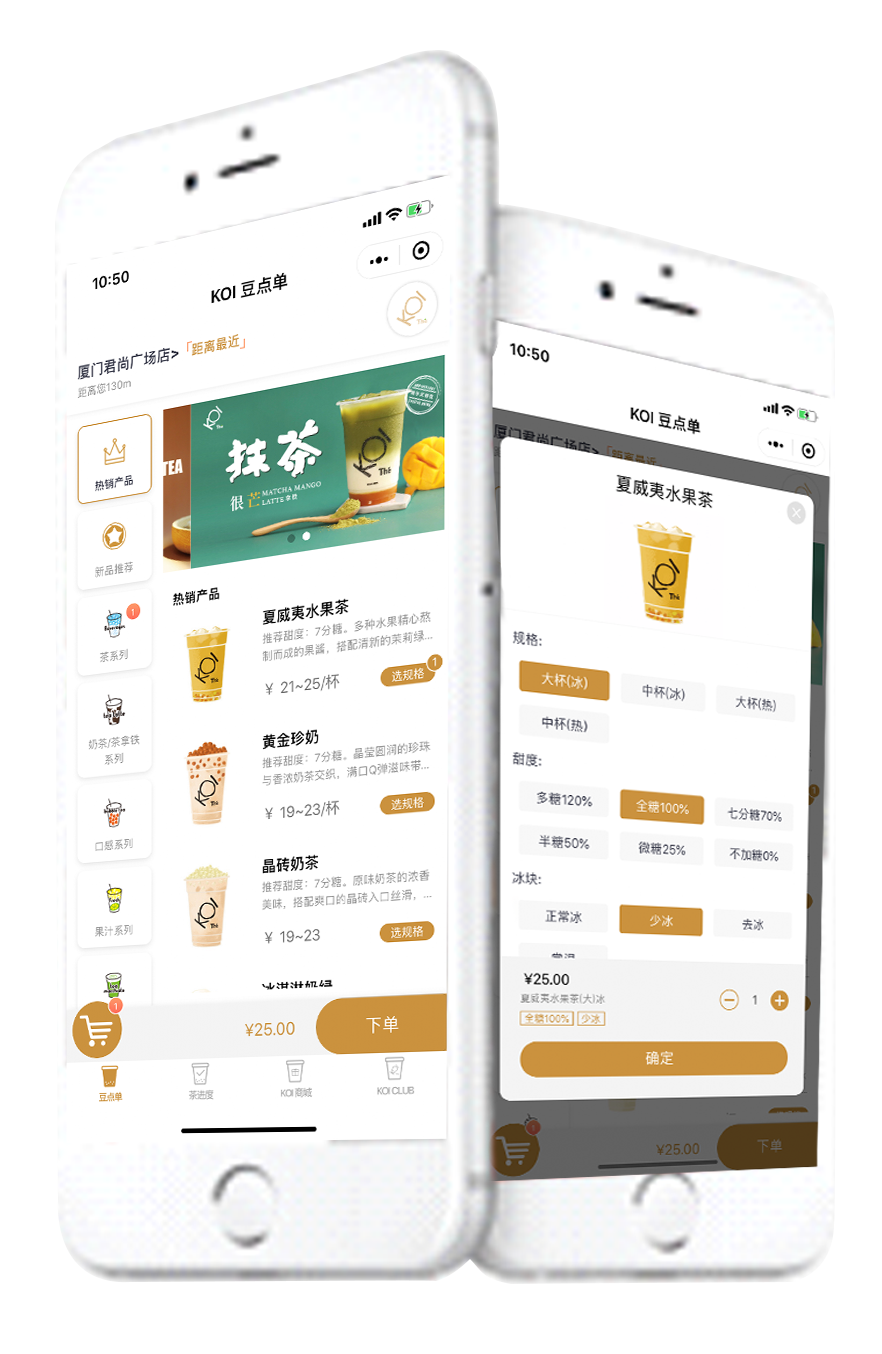
3. Store POS management: multi-terminal cashier and smart experience
1. Multi-end cashier, no need to choose hardware
KimPos provides clients for three major systems: Windows/Android/iOS, supports three-terminal cash registers on mobile phones, computers, and iPad tablets, and is fully compatible with ticket machines, code scanners, surveillance and other devices. The menu is intuitive and clear, and it supports scanning QR codes or clicking to check out, so the cashier can quickly complete the order; offline checkout data is stored locally and automatically uploaded after being connected to the Internet, and business can continue as usual even if the network is disconnected. Simple operation, no training required to get started.
2. Multiple payment methods to improve user experience
Aggregate mainstream payment channels to meet the payment habits of different customers, make settlement flexible and smooth, and improve the checkout experience.
3. Smart cashier makes every customer a "repeat customer"
When members check out, customers only need to show their payment code, and the system will automatically complete the member identity recognition, reducing the number of checkout steps; it supports two-digit payment codes in one, and facial recognition for membership - when customers approach the checkout area, their face will be automatically captured and recognized, without the need for manual search; it also supports individual customers to become members, and they will be recognized as regular customers when they scan the code when they enter the store to make purchases, and a pop-up window will remind them to convert to high-net-worth members.
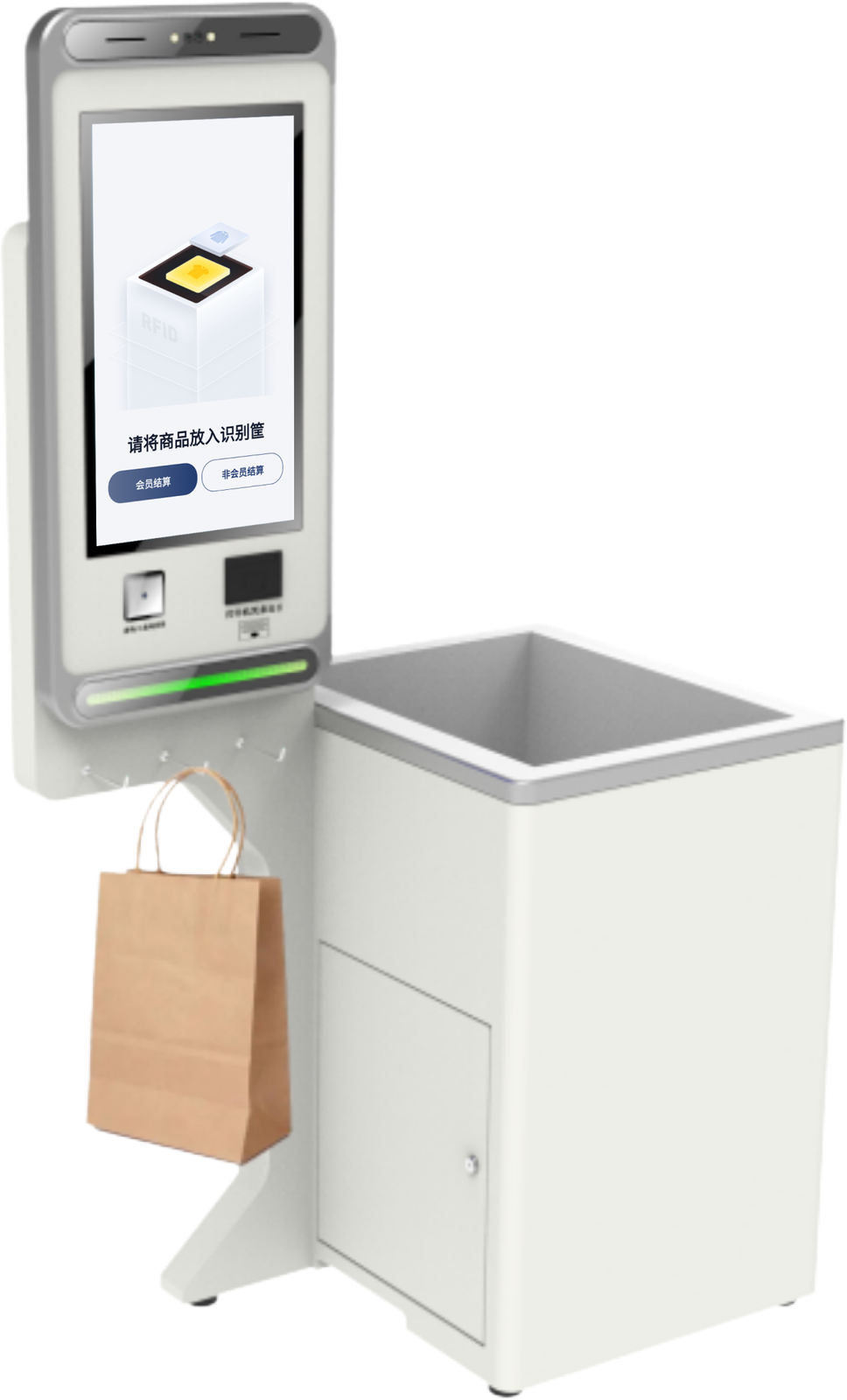
4. RFID fully self-service checkout
Provide customers with a new zero-threshold shopping experience: put the goods into the identification box, and the system will automatically add all goods to the shopping cart, saving labor and reducing queuing; after self-service checkout, the access control system will automatically determine the settlement status and release the goods automatically. If the payment is not settled, it will give a timely alarm and prompt specific goods, integrating settlement and anti-theft.
5. Returns and exchanges are simple and worry-free.
It supports original document returns (using the original document as the dimension, and refunds are returned according to the original payment method) and non-original document returns (using the product as the dimension, and multiple payment methods can be selected for return). The return operation is simple. After accepting the return, the system automatically increases the corresponding inventory, saving time at the checkout counter.
4. Product file management: record in one shot and create files in three seconds
1. Article number rule management
The backend can customize product number rules and corresponding attribute codes according to merchants' needs. When creating a new product, the product number is automatically generated without manual input, which effectively reduces the input workload and facilitates the management of different products.
2. Color and size library management
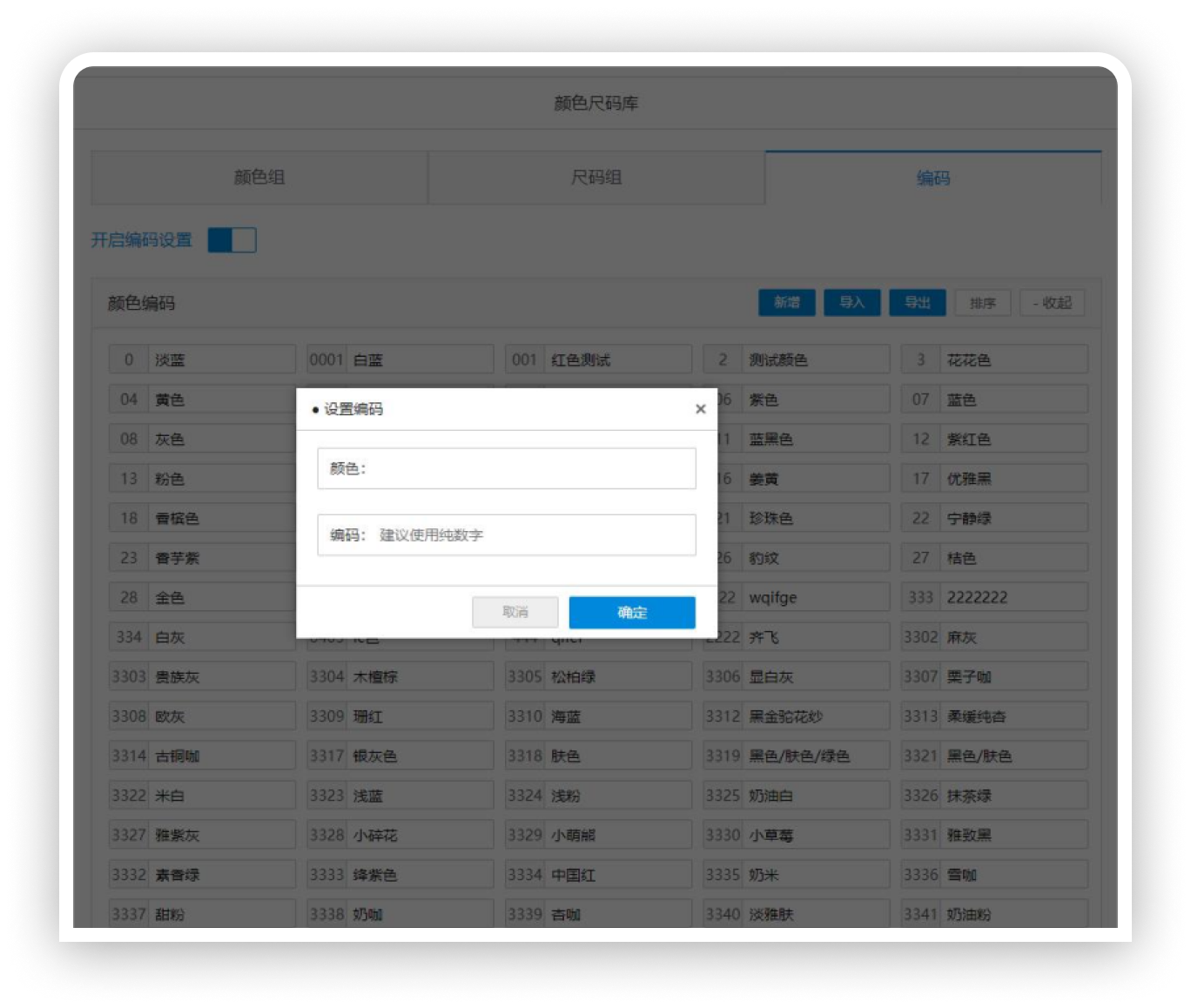
Merchants can customize the codes of different colors/sizes, create a brand's digital color and size library, and group colors and sizes (such as two-color groups, single-color groups) to standardize library management and improve work efficiency.
3. Product attributes and image management
It supports multiple suppliers for one product and intuitively compares the purchase prices of different suppliers to control costs; improves product information through clothing extended attributes (year, season, brand, fabric, etc. tags); supports batch import of pictures and batch import of multi-color and size product pictures to quickly build shelves and improve the efficiency of new products.
4. Quickly enter tag identification pictures
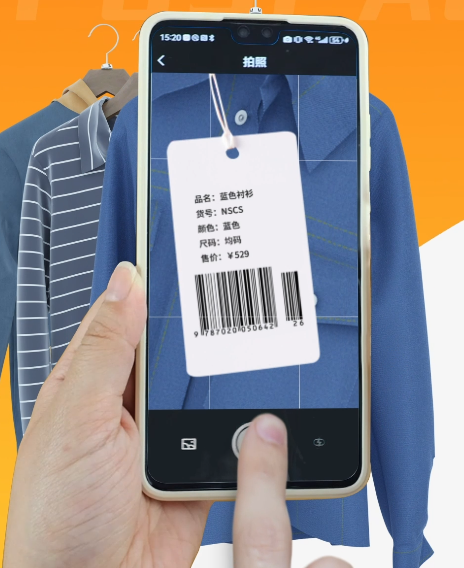
Take a photo of the tag, identify the product number, product name, color, size, price, barcode and other information in seconds, automatically fill in the system fields, and generate product files with one click, saying goodbye to manual entry one by one. It reduces the investment in file creation personnel, saves more than 80% of entry time, and increases efficiency by 10 times +, while avoiding inventory confusion and cashier miscoding caused by information errors.
5. Product synchronization
Supports multiple synchronization methods, one-click copy of product information to chain stores, no need to repeatedly create files and entries, and efficiently manage multiple stores.
5. Commodity flow turnover: the whole link from procurement to inventory
1. Product life cycle and procurement process
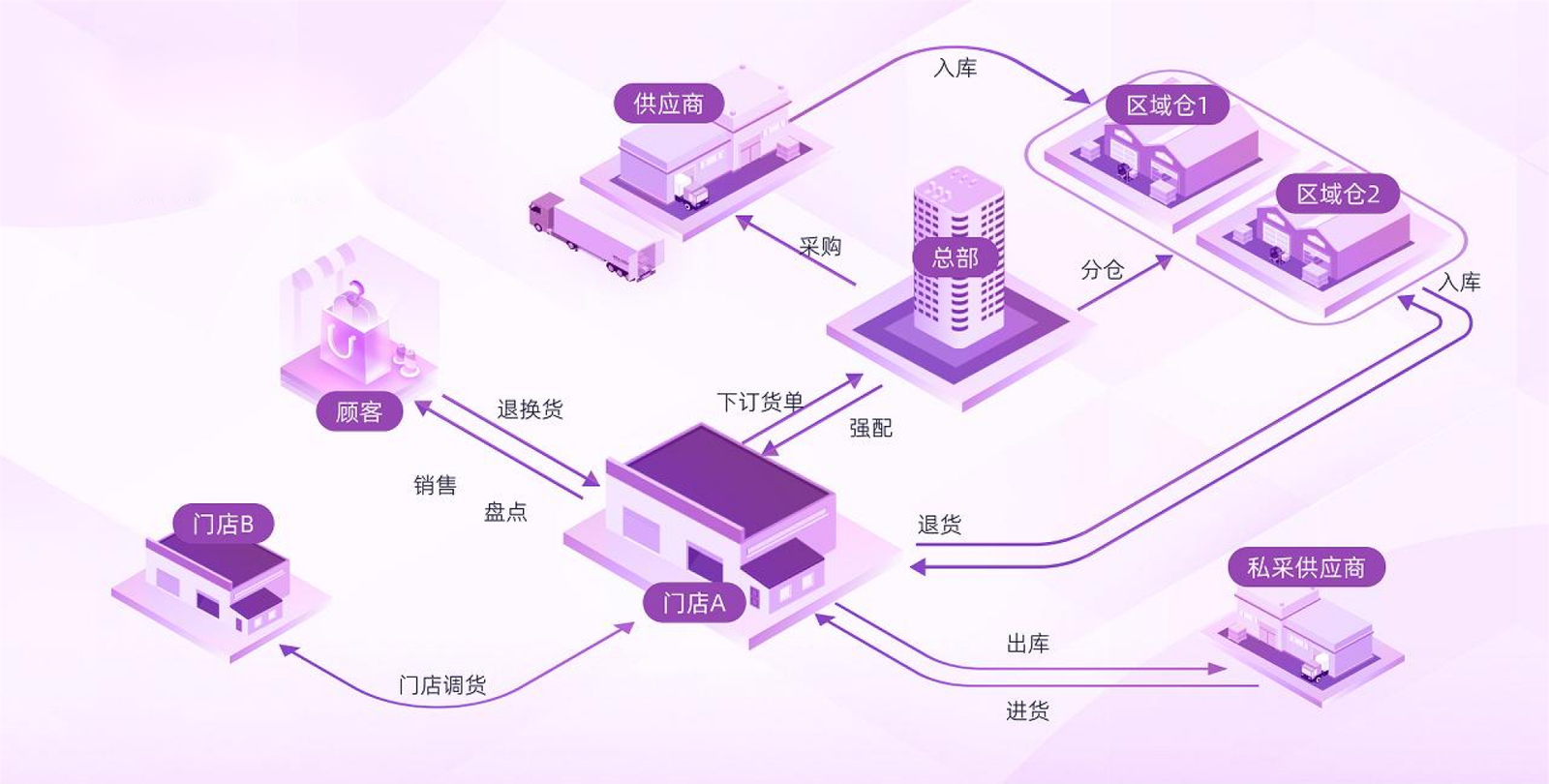
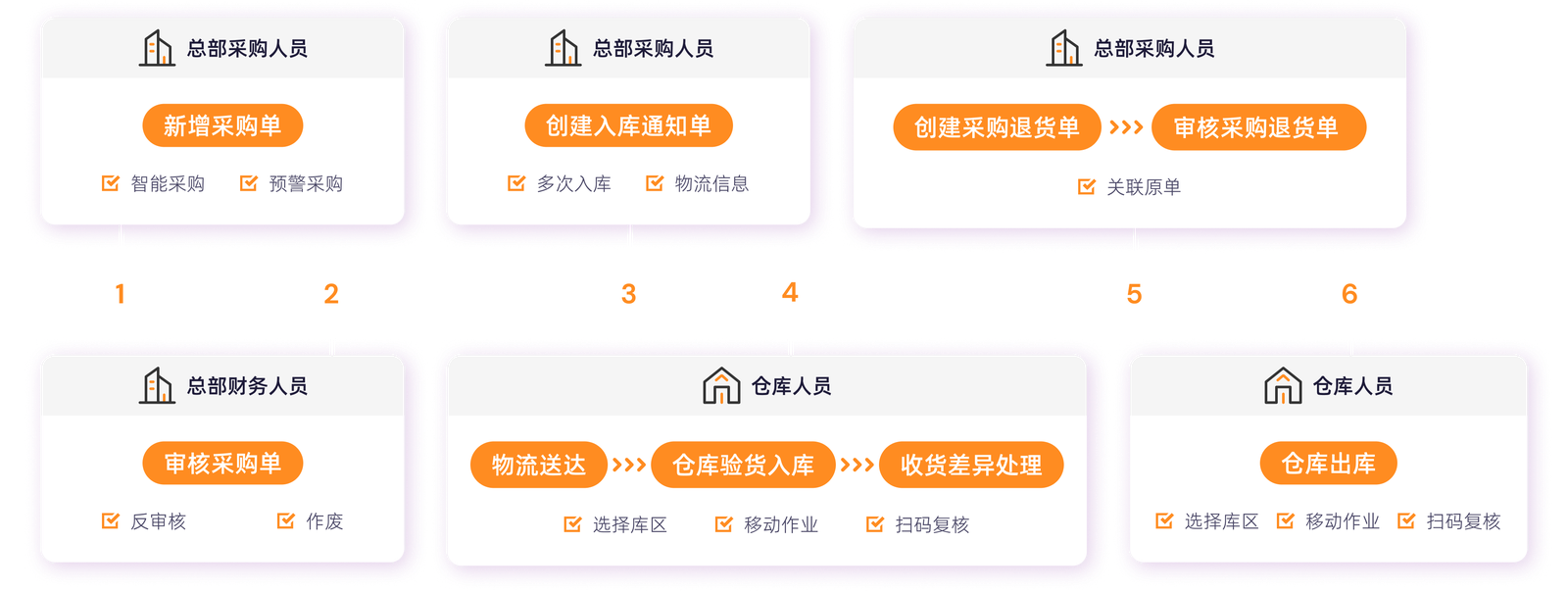
KimPos covers the core functions of procurement, supplier direct distribution, supplier account settlement, OCR photo warehousing, multi-level ordering prices, smart ordering, automatic replenishment, multi-terminal allocation, warehouse PDA operations, smart inventory and large customer wholesale and retail integration, building a complete closed loop of commodity logistics.
2. Direct supplier distribution and account settlement
For scenarios where the headquarters does not have a self-operated warehouse, the headquarters can allow suppliers to distribute goods directly to the store. After the store orders, the system splits the order according to the supplier and automatically transmits it to the supplier's backend. After the goods are shipped out of the warehouse, the store front desk shows that the goods are shipped from the headquarters to avoid leakage of supply sources. It supports various cooperation models such as purchase and sale, consignment, and joint ventures. The settlement is clear and the reconciliation is easy and stress-free.
3. OCR taking pictures and storing them in the database
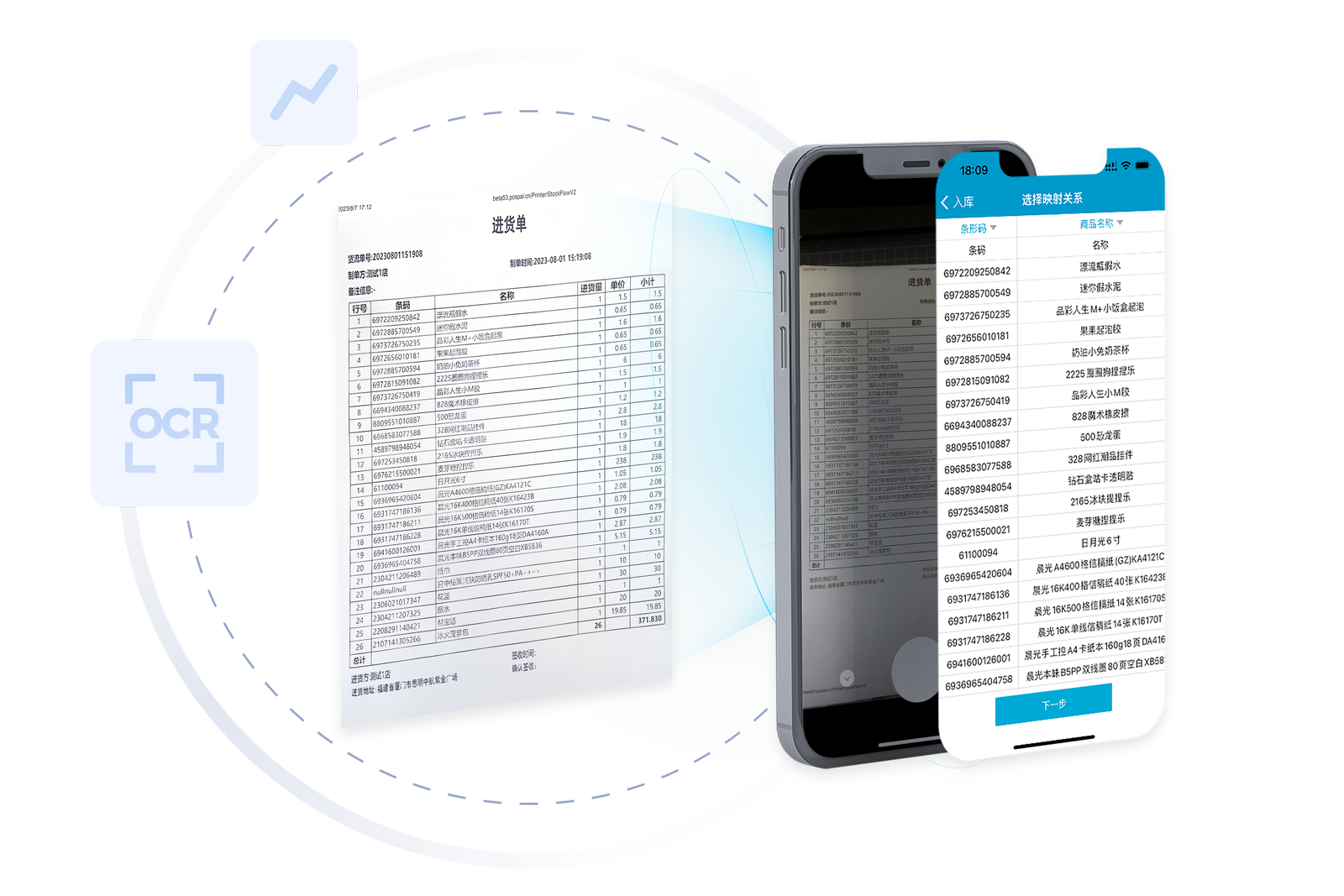
Orders are placed into the warehouse immediately upon placing the order via mobile phone, increasing efficiency by 80%. OCR photography for warehousing: Just take a picture of the goods list, and it can automatically identify the style number, barcode, color, size and other information, generate a warehousing order with one click, and automatically create files for new products without the need to manually enter items one by one, helping clothing stores to enter the warehouse efficiently.
4. Store ordering and multi-level ordering prices
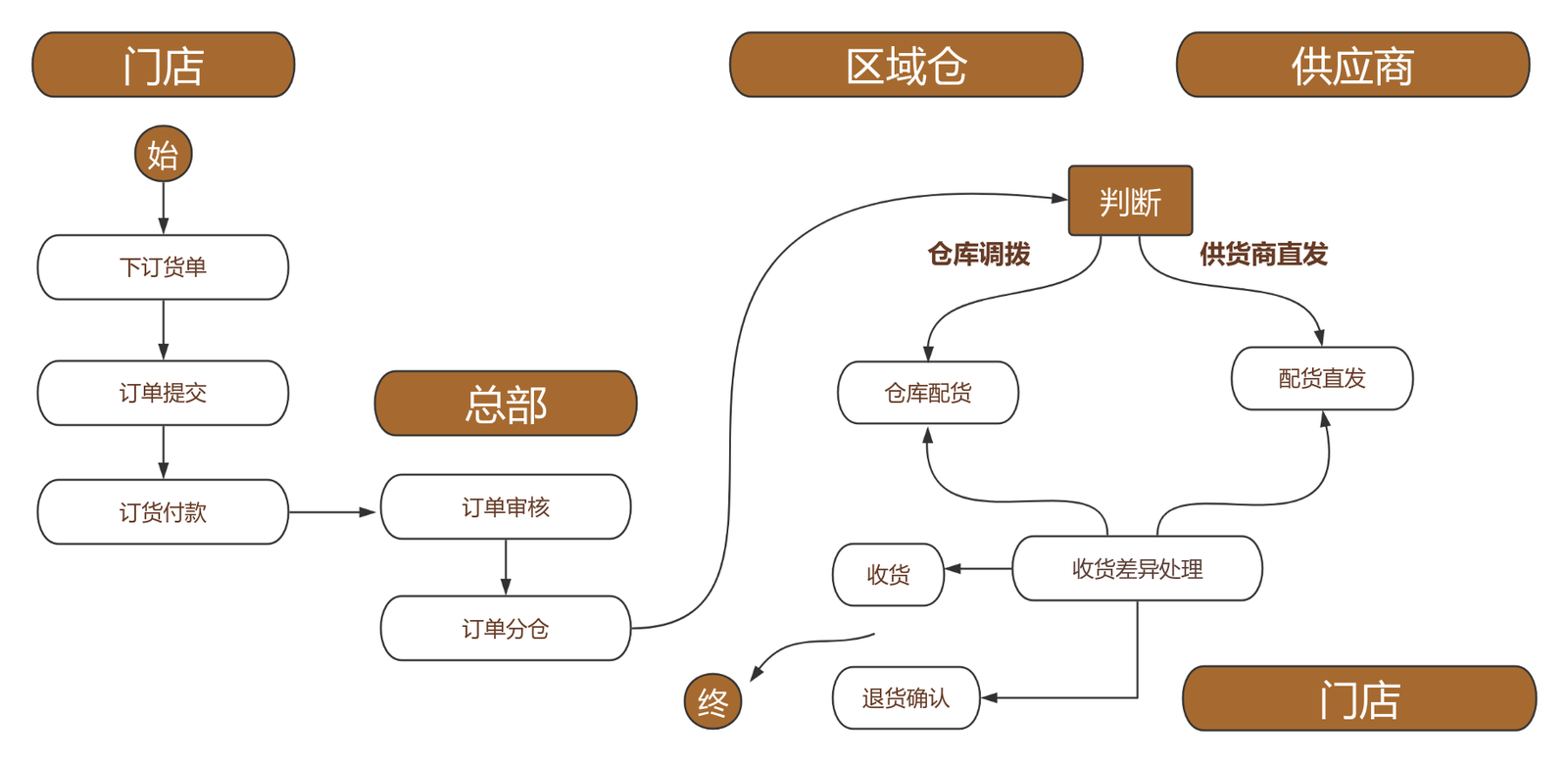
It supports setting ordering prices by organization - different ordering prices can be specified for different stores for products; it also supports setting ordering prices by store type. When a brand has both direct sales and franchise systems, they can be set separately for cost division and control.
5. Smart ordering, automatic replenishment and multi-terminal allocation
Supports forced distribution by the headquarters, proactive requests for goods by stores, smart ordering, and automatic replenishment (automatic templates are set for high-frequency ordering scenarios, and the system automatically places orders). Clothing companies often encounter intensive allocation needs. KimPos supports the front desk to query the inventory of other stores under the chain system, and quickly allocate and ship out of the warehouse with one click. It also supports allocation between stores and the main warehouse, and allocation and returns.
6. Warehouse mobile PDA operation and inventory
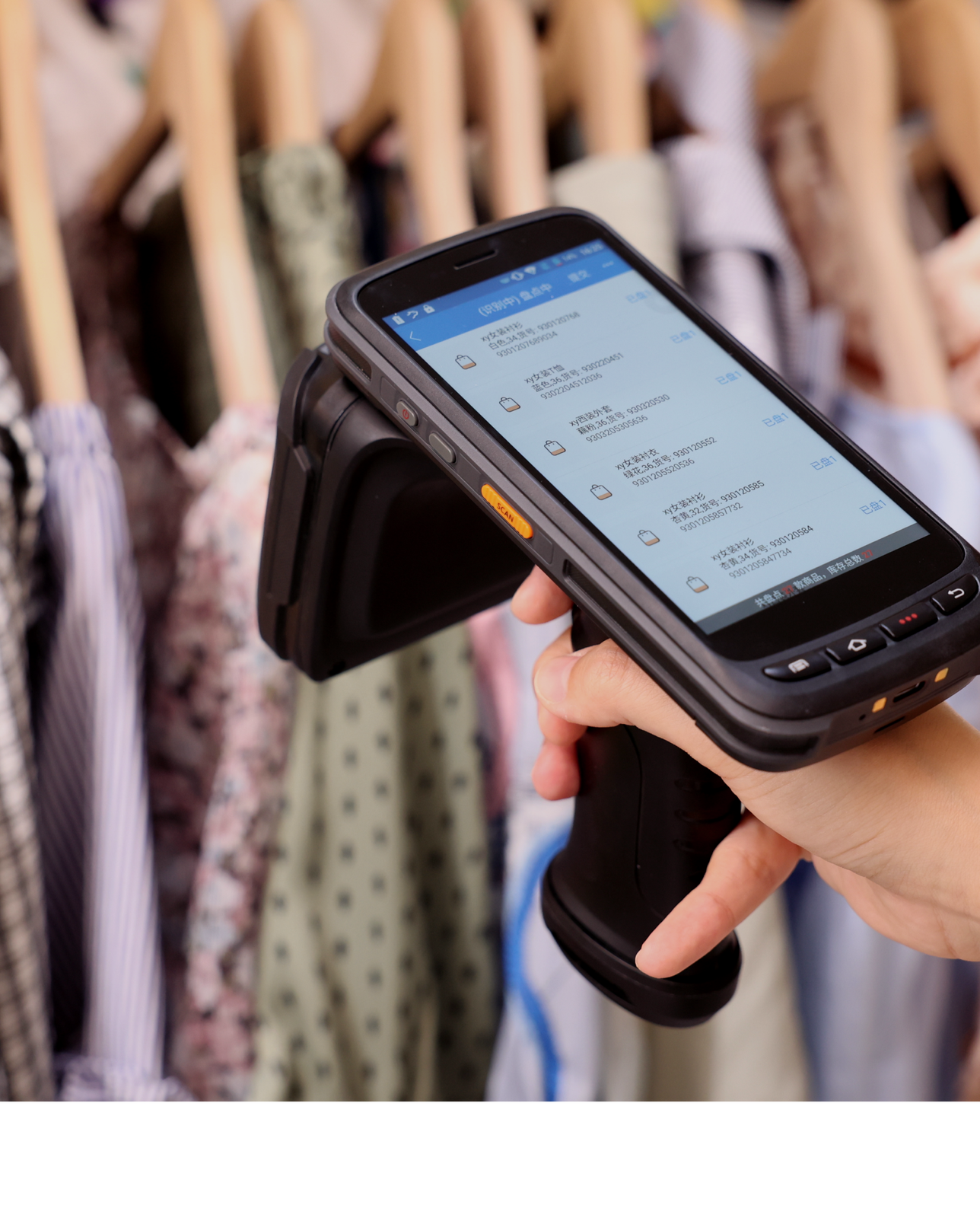
It supports Android phones and handheld PDAs for warehouse mobile operations, supports a variety of inventory scenarios, and enables inventory while doing business, so that inventory data is always accurate.
7. Wholesale and retail integration for large customers
The headquarters not only supplies directly operated franchise stores within the chain system, but also invoices wholesale stores outside the system. Four core functions: Set different discount levels for major customers with different delivery situations; customize ordering templates to allow customers to place orders independently online; integrate retail + wholesale warehousing management with one headquarters account, scan QR codes to distribute goods, review shipments, and accurately inventory; automatically integrate customer accounts and clearly control credit risks.
6. Member marketing management: convert traffic into repeat purchases
1. Establishment of membership system
Benefits + Level + Conditions, build a membership system in three steps: set membership levels (15% off for diamonds, 10% off for gold, 9.5% off for silver, etc.), distinguish the discounts and upgrade rewards for each level; guide members to upgrade through growth value, accumulated recharge, accumulated points consumption, etc., the higher the brand loyalty.
2. Play with the points system
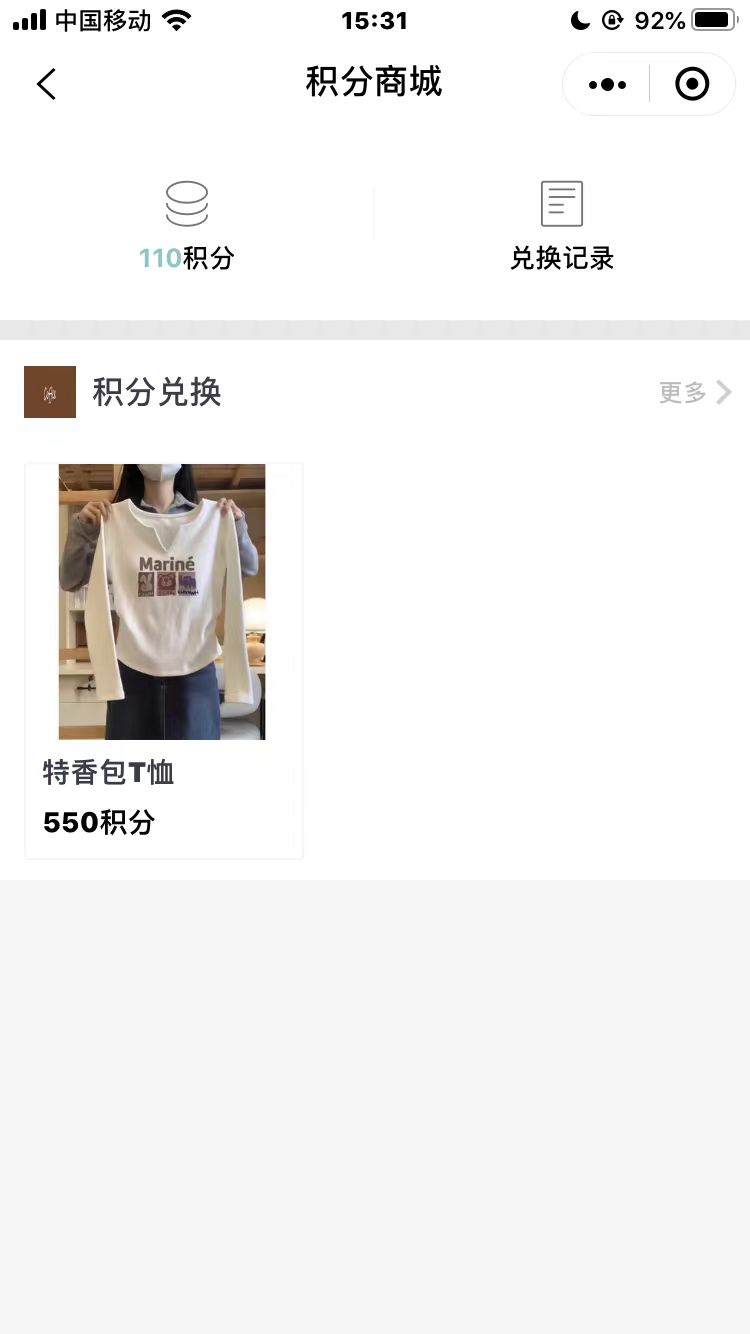
Points acquisition covers consumption accumulation, multiple points (specific products/specific dates/senior members), sign-in points, and registration gifts; points consumption supports cash redemption, points exchange for goods in the points mall, points draws, and points clearing reminders, forming a complete closed loop of member incentives.
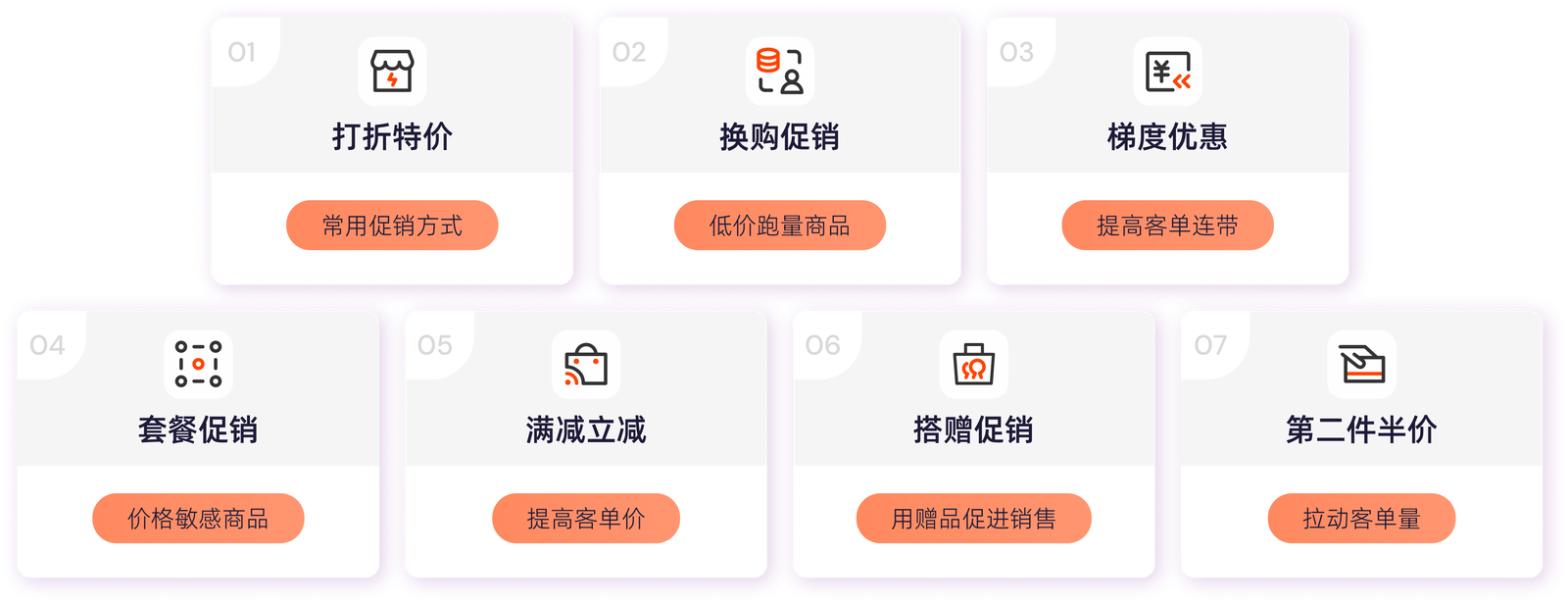
3. Conventional promotions and fancy marketing
A variety of discounts and promotions help attract new customers and increase sales; the KimPos mini program covers 80% of the mainstream marketing tools on the market. Whether it is to attract new customers or activate old customers to repurchase, it can be launched instantly and stimulate consumption with one click.
4. Card and coupon management
Shopping cards can flexibly limit consumption categories and usage rules, and support recharge bonuses to be returned in installments; prepaid cards support fixed face value customization and batch card production, and can be written off online and offline, and can be transferred on social networks; secondary cards can set times and discounts based on items, with automatic deductions for consumption and push notifications, effectively locking in customers for long-term repurchase.
5. Precision marketing
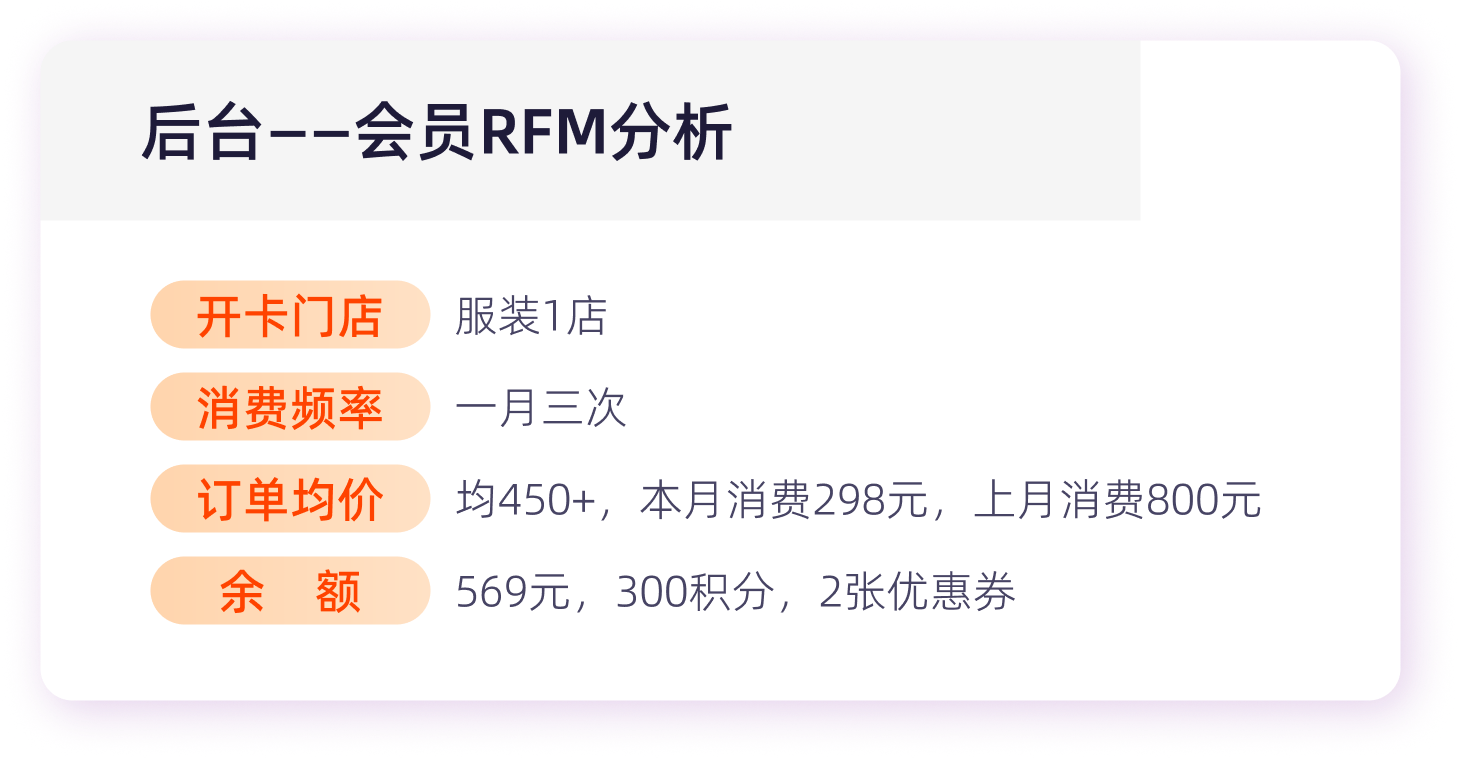
After the user registers, KimPos aggregates and analyzes the customer's consumption behavior characteristics and product preferences based on the RFM data model to form an exclusive member portrait, and makes precise recommendations based on consumption behavior, product preferences, and member characteristics, allowing customers to have a privately customized experience and increase the probability of transaction.
6. Scenario marketing
Create new consumption scenarios based on customer behavioral needs: free gifts for a single purchase, free gifts for full purchases, free gifts for cumulative purchases, etc., turning every interaction into a repurchase opportunity.
7. Employee management: authority, performance and shopping guide CRM
Permission management supports the flexible setting of role permissions and shopping guide commissions: independently set front-end employee functional permissions, back-end operation permissions, and report viewing permissions to ensure the security of sensitive data; different commission plans can be set in the back-end (product dimensions are based on selling price/original price, multi-person service stepped ratio), and the report is automatically generated when the name of the shopping guide is entered at checkout. The performance commission report covers commissions from product sales, service sales, stored-value card sales, etc., and can be queried by employee tag or time period. The exclusive CRM for clothing shopping guides has a cashier/top-up/appointment/membership system, supports five types of return visit reminders and 35 filter tags, and accurately categorizes each customer.
8. Online mall management: Mini programs create private traffic pools
1. Mini program mall and template decoration
KimPos mini program mall helps merchants create their own private domain traffic pool. It provides 50+ decoration components such as posters and tabs, as well as theme color matching, page icons, loading animations and other store-wide styles, as well as high-quality templates that meet the needs of various clothing businesses. With one click, the store can be launched gorgeously in 5 seconds.
2. Rich online marketing tools
It covers development mini-games, community red envelopes, word collection games, boost coupons, password redemption and other gameplay methods, combined with advertising pop-ups, QR code scanning experience, card and coupon collection, etc., to increase online mall activity and conversions.
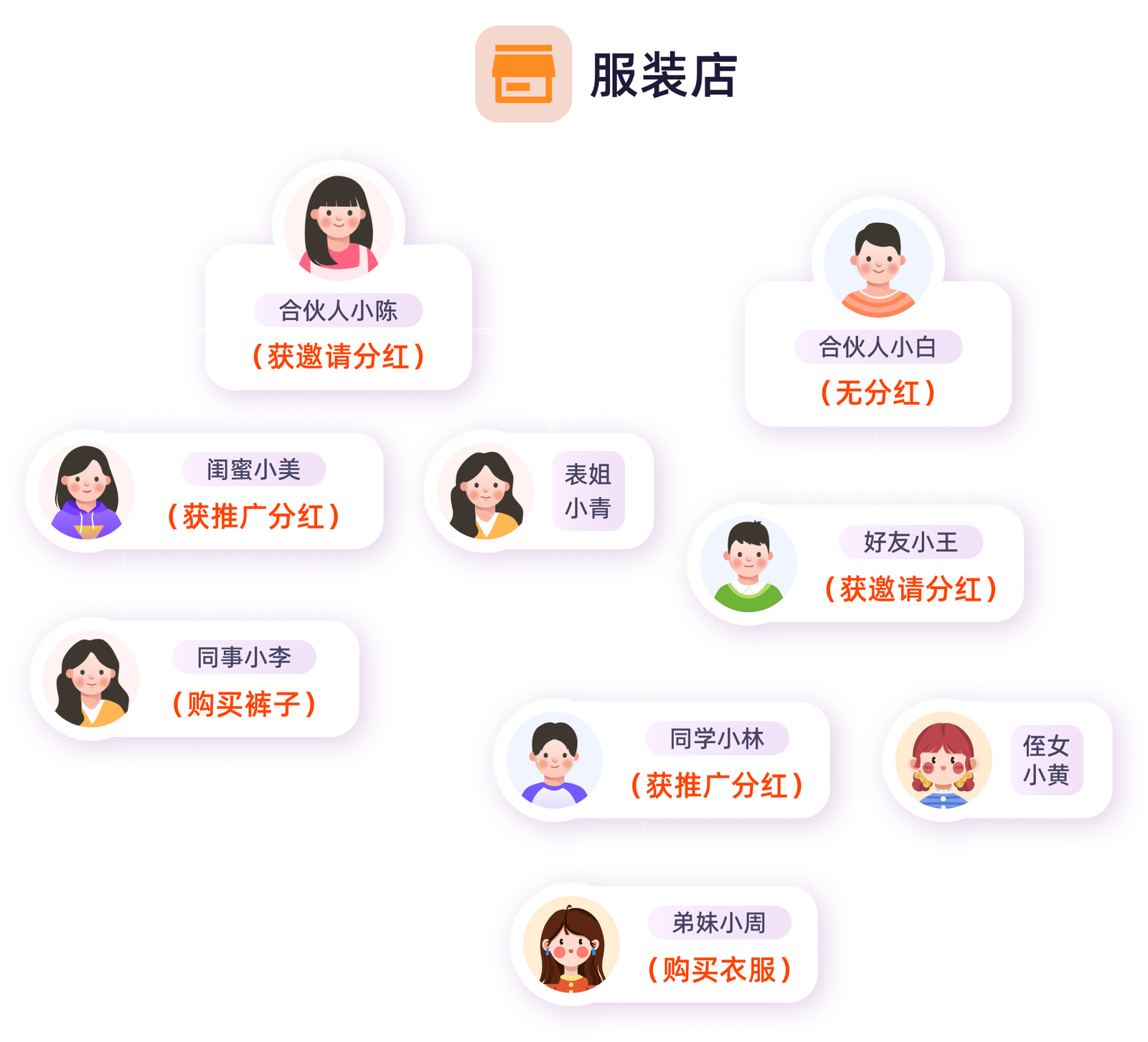
3. Secondary distribution of partners, gathering resources to obtain traffic
Shareholders invite friends to spend money, which is the most fissionable within the legal scope: partners can get direct promotion commissions and indirect invitation commissions, and there is a steady stream of customers. Yilele (bamboo fiber clothing, 37 direct sales + 79 franchises) adopts the consumption rebate model through the KimPos partner program to achieve natural traffic growth from pre-sales to fission, and the member repurchase rate has significantly increased.
4. Subscription notifications, member text messages and group purchase verification
Subscription notifications allow every step of consumption to be traced (consumption details, card and coupon push, account recharge reminders); member text messages are accurately delivered to attract traffic and increase revenue; group purchase coupon verification is seamlessly connected to the three major traffic platforms of Douyin, Meituan, and Dianping, diverting massive online customers to offline stores, achieving a closed loop of "traffic-conversion-increase revenue". Nearby promotion allows the store to be placed in the high-quality traffic position of WeChat Moments.
9. Chain enterprise management: a game of chess from headquarters to stores
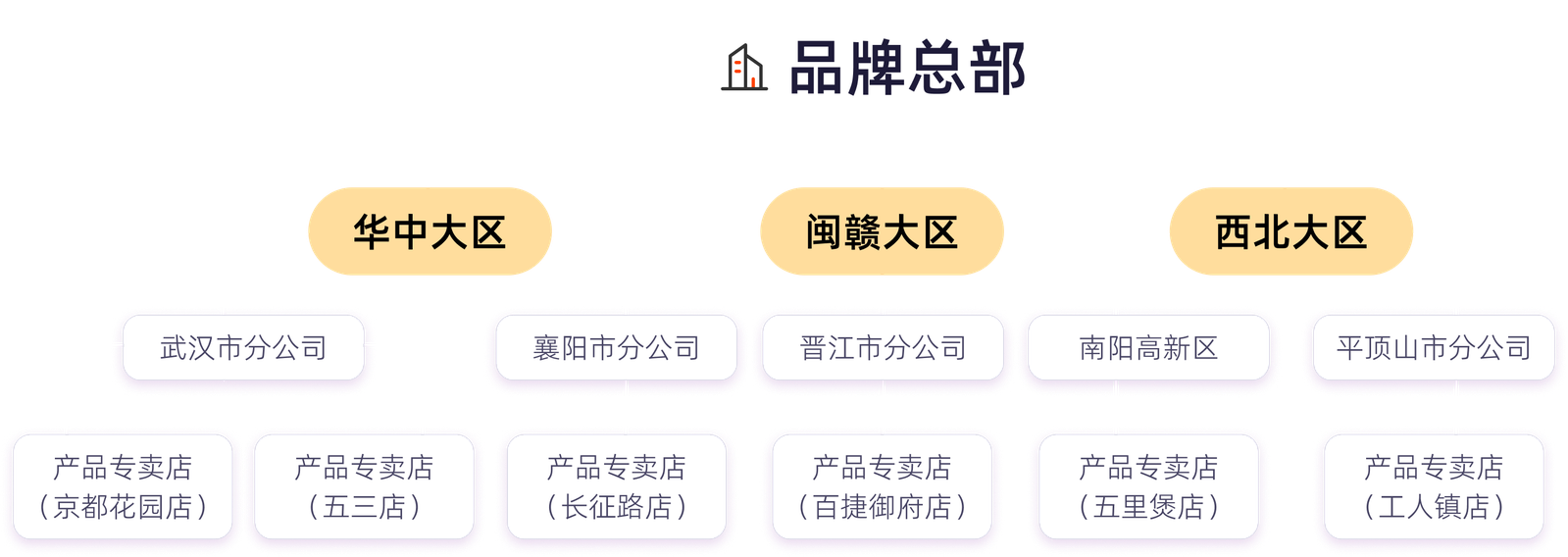
1. Layer-level construction of chain system architecture
Supports multi-level refined management and control to meet the brand's structural needs for direct sales and franchise management of merchandise and logistics.
2. Store permissions and data management
Sub-store permission settings can restrict sensitive operations such as products, employees, members, key customers, and marketing to ensure the safety and compliance of brand operations; cloud backend data reports cover sales reports, member analysis, marketing effects, inventory statistics, cargo flow management, and serial number inquiries, with advanced visual reports to provide data support for strategy adjustments.
3. My store, handheld data dictionary
The store manager has full control of everything about the store at any time: all sales, membership, and marketing data are owned, and all merchandise, employees, outlets, and cargo flow information are fully visible. Store managers can also remotely call store monitoring and check daily cashiers.
10. Value-added solutions: BI, RFID, CDP, cloud finance and accounting
1. BI big data
Allow all merchants to use professional data to make decisions: multi-dimensional monitoring and early warning, standardized analysis system, customized dynamic reports, even without data analysis foundation, they can easily complete data viewing and analysis, and discover growth nodes, abnormal information and trends.
2. KimPos RFID allows store experience to break through the "core" level
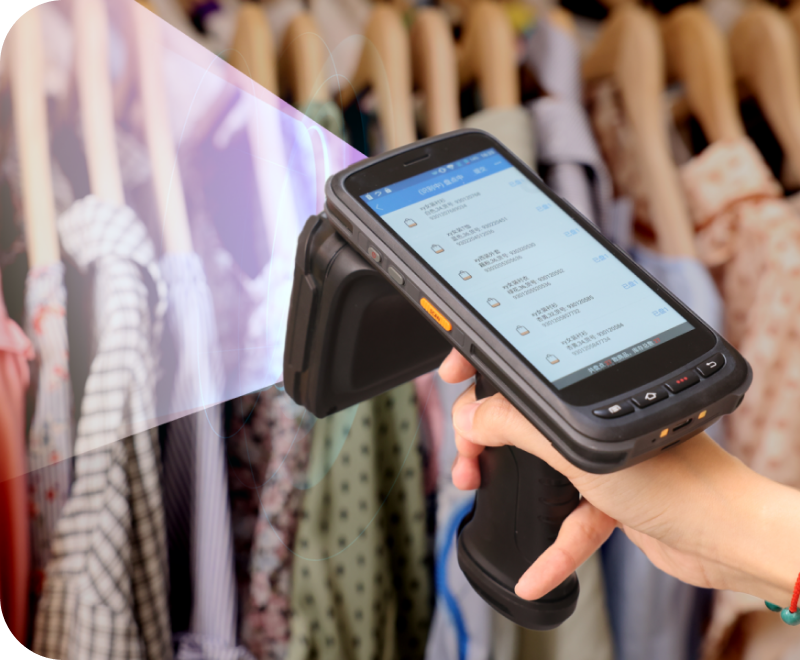
Accurate one item per code, long-distance batch reading, rapid identification of multiple products, simple and easy to use. Quick inventory can be easily completed for tens of thousands of inventories; self-service checkout allows customers to put goods into the identification box and they will be automatically added; settlement and anti-theft are integrated, and unsettled access control provides timely alarms; efficient entry and exit of the warehouse can quickly enter the quantity of goods, and intelligently review the cargo flow order.
3. CDP marketing center and store patrol
KimPos CDP is a customer data platform that combines public and private domains. It connects online and offline omni-channel data, builds unified customer portraits, and supports personalized marketing based on the entire life cycle. The store patrol function allows managers to use 20% of their energy to complete 80% of the store patrol work.
4. Cloud finance and accounting
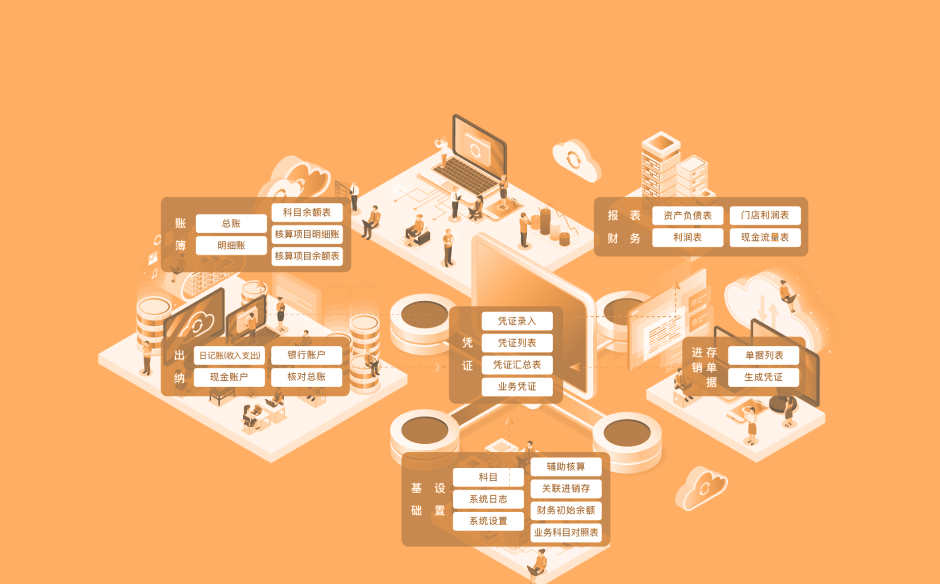
KimPos Cloud Finance fully connects the ERP production end, supply chain end, store cashier end and cloud financial end, realizing business and financial integration, real-time business data, financial statement automation and intelligent reconciliation of detailed accounts, solving the problem of store reconciliation. The split-account service provides safe, professional and compliant split-account management of funds, uses the bank account system to avoid the risk of "second clearing of funds", and provides comprehensive financial solutions such as wealth management and supply chain finance.
11. Case display: common choice of leading brands
Putian is here (Putian trendy shoes, 100+ physical stores across the country): using direct delivery from suppliers to achieve decentralization, a 24-hour mini program mall to feed back stores, and precise member marketing to increase repeat purchases.
cotton is here (Qingdao Mingyang Clothing, nearly 1,000 franchise stores): Mini program mall + online marketing to build a private membership pool, cross-store membership sharing, headquarters unified marketing activities can be copied to multiple stores with one click.
Joyful Home Textiles (Shandong state-owned enterprise, 3000+ Home Furnishing World Expo Hall): mini program + Douyin group purchase verification and public domain diversion, a full set of RFID solutions to reduce costs and increase efficiency, BI to visualize operational data, and CDP to refine membership operations.
Fanhua 1939 Shopping Mall (Zigong core business district, 500+ merchants): Quick checkout and easy to use, unified control of each store data, independent checkout of merchants + unified management of accounts, digital operations help double revenue.
Sylvia (underwear, 2000+ offline stores): Establish a membership system and ABC level classification, rely on the RFM model to create exclusive portraits, and accurately reach members through text messages and WeChat notifications.
EMIS (designer brand in Seoul, South Korea): The online mini program enables online and offline interoperability, the BI big data visual signage supports business decisions, and the mobile cashier breaks space constraints.
Meiji fashion leather goods / KH Meiji (Hong Kong designer women's handbags): chain management cloud architecture is easily deployed across platforms, store inventory template import and regional review, and points rules to enhance repurchase.
12. Service support: full companionship from launch to after-sales
KimPos provides a complete seven-step method for online planning: store environment research → solution development → hardware installation and debugging → software installation and debugging → account system construction → online trial operation → training delivery, and enjoys 7×12 hours of online after-sales service all year round. The open API can easily connect to membership systems, financial software and major supply chains, WMS, and TMS systems; it supports private cloud deployment to meet the personalized data needs of large enterprises, and the data is more secure; massive learning resources (KimPos blog graphic tutorials, merchant academy marketing plans) continue to empower store operators.
Businesses growing with KimPos
Apparel · See how peers improved efficiency with the system

Move your store to the cloud today
Leave your contact details and a consultant will reach out within one business day with a free demo and quotation.